Self-Custody 101: Taking Your Bitcoin Off the Exchange
Why "not your keys, not your coins" is more than a slogan, and how to move to a hardware wallet without losing your funds.
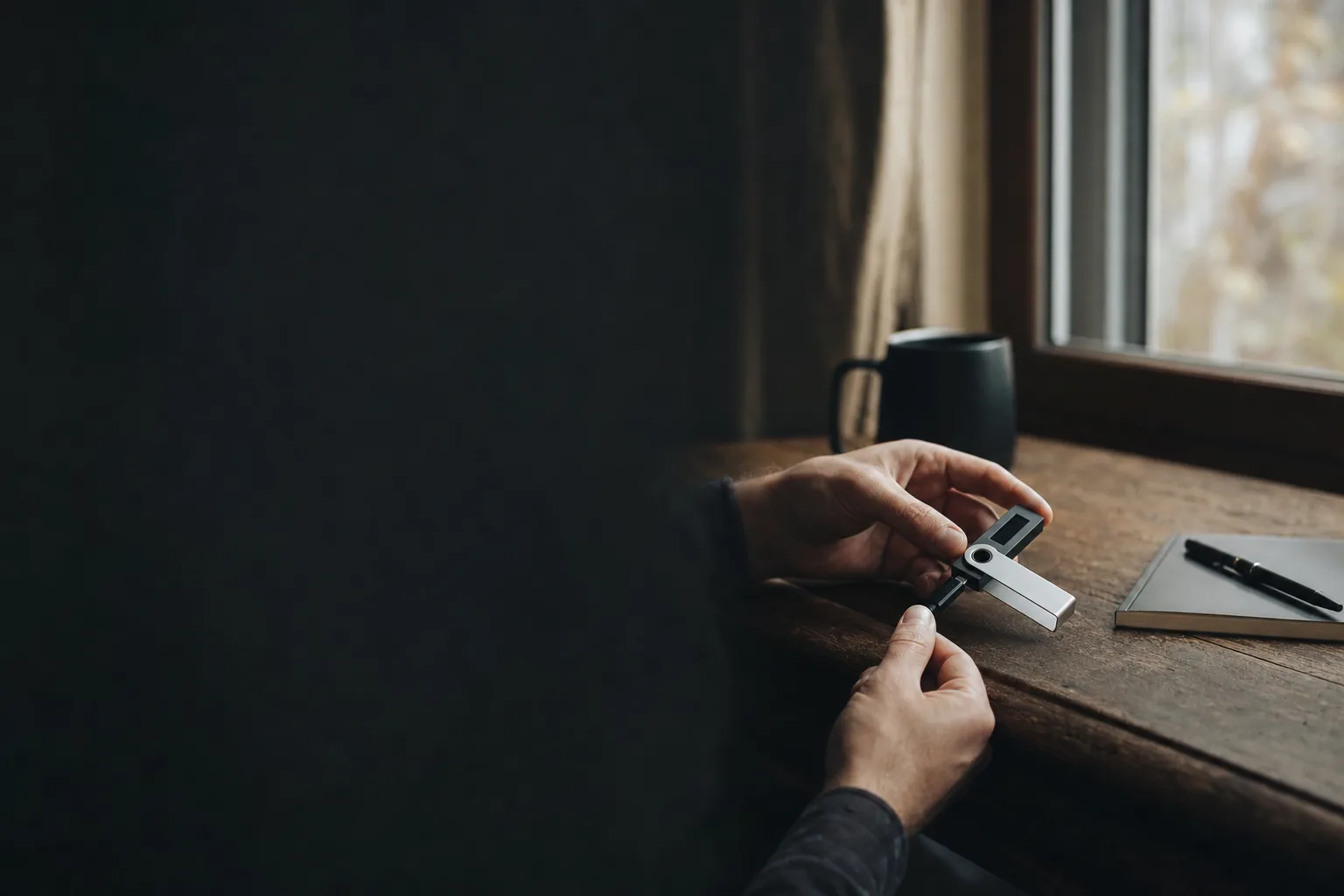
Not your keys, not your coins
Leaving Bitcoin on an exchange means the exchange holds the private keys, not you. If it freezes withdrawals, gets hacked, or quietly lends out customer deposits, your balance is just a number in someone else's database. Self-custody flips that: the keys live on a device you control, and no one can move your coins without them.
What a wallet actually stores
A wallet does not "hold" coins the way a purse holds cash. Your bitcoin lives on the blockchain; the wallet holds the private key that authorizes spending from your addresses. Lose the key and the coins are frozen forever. Leak the key and anyone can drain you. That is the whole game.
The seed phrase is everything
When you set up a hardware wallet it generates a 12- or 24-word recovery phrase. Those words are a human-readable backup of your key. Write them on paper, store them offline, and never type them into a website or photograph them.
# A valid-format example seed phrase (DO NOT USE THIS ONE):
voyage  isolate  gadget  ribbon  scan  frost
harvest  timber  cluster  velvet  ozone  pledge
Anyone who reads those words controls the funds. A real phrase should exist only on paper or steel in your possession.
A safe migration checklist
- Buy the hardware wallet directly from the manufacturer, never secondhand. - Initialize it yourself so you generate a fresh seed. - Send a tiny test amount first and confirm it arrives before moving the rest. - Verify the receiving address on the device screen, not just in the browser.
Do the small test transfer even though the network fee feels wasteful. It is the cheapest insurance you will ever buy against a copy-paste mistake or a clipboard-hijacking virus.
Written by the newsroom
Independent crypto and web3 coverage, verified against on-chain data. Replace this bio with your own — a line about who you are and the beats you cover goes a long way in earning a reader's trust.